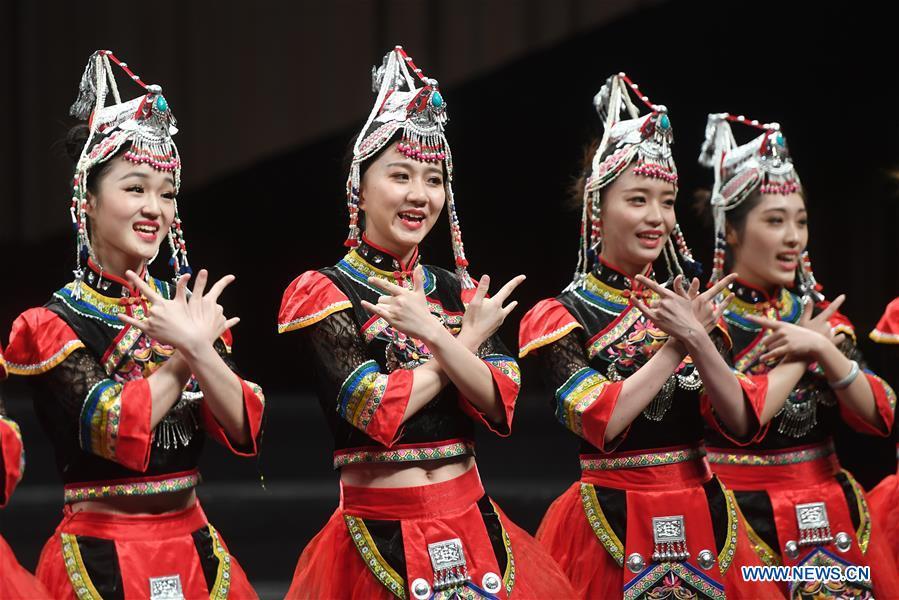
She Folk Songs
Introduction
She Folk Songs are traditional music of the She ethnic group in China. The She people, numbering around 700,000, primarily reside in the mountainous regions of Fujian, Zhejiang, Jiangxi, Guangdong, and Anhui provinces. Their folk songs, known for their vibrant melodies and rich emotional content, serve as a significant vessel for preserving She heritage, language, and oral traditions.
Recognizing their cultural importance, She Folk Songs were inscribed as a state-level intangible cultural heritage in China in 2006.
Historical Background
The She ethnic group has a history spanning over a thousand years, and their songs are closely tied to their agrarian and communal lifestyle. The origins of She Folk Songs trace back to ancient labor and ritualistic practices, where songs were used to celebrate harvests, perform ceremonial rites, and express communal unity. Passed down orally through generations, these songs have evolved, yet their core themes of nature, love, labor, and spirituality remain intact.
The She dialect plays a central role in shaping the identity of She Folk Songs. However, as many She communities have adopted Mandarin or local dialects over time, preserving and revitalizing their original linguistic essence has become an urgent task. The songs thus stand not only as musical expressions but also as guardians of the She language.
Features and Themes
She Folk Songs are characterized by their lyrical simplicity and emotive depth. They often employ pentatonic scales, which lend a distinctive melodic quality reminiscent of other traditional Chinese music forms. The songs typically alternate between solo and antiphonal singing, creating dynamic musical dialogues that reflect communal participation.
The thematic content of these songs varies widely, but nature is a recurring motif. Lyrics celebrate mountains, rivers, and the changing seasons, reflecting the She people's deep connection to their environment. Love and courtship also feature prominently, with many songs taking the form of lyrical exchanges between young men and women during traditional gatherings or festivals. Labor songs, on the other hand, narrate the daily life and struggles of She communities, often providing rhythmic accompaniment to collective work.
Performance and Preservation
Traditionally, She Folk Songs are performed in informal settings such as village squares, family gatherings, or during festivals like the "Third Month Festival", a major She celebration held in the third lunar month. Performers are often elders who possess extensive knowledge of the repertoire and serve as cultural transmitters to younger generations.
In recent decades, efforts to preserve She Folk Songs have gained momentum. Cultural organizations and local governments have implemented programs to document and record traditional songs, while festivals and competitions have been established to promote public awareness. Educational initiatives, including the introduction of She Folk Songs into local school curriculums, have further supported their transmission. In 2006, the inclusion of She Folk Songs in China's national intangible cultural heritage list marked a significant step toward their safeguarding and recognition on a broader scale.
Amid rapid modernization and cultural integration, She Folk Songs continue to serve as a symbol of ethnic identity and cultural resilience for the She people. Today, these songs are not only cherished within She communities but also appreciated as part of China's diverse cultural mosaic. Their preservation efforts exemplify the broader movement to protect intangible cultural heritage in the face of globalization, ensuring that the voices of traditional communities like the She remain vibrant for generations to come.








